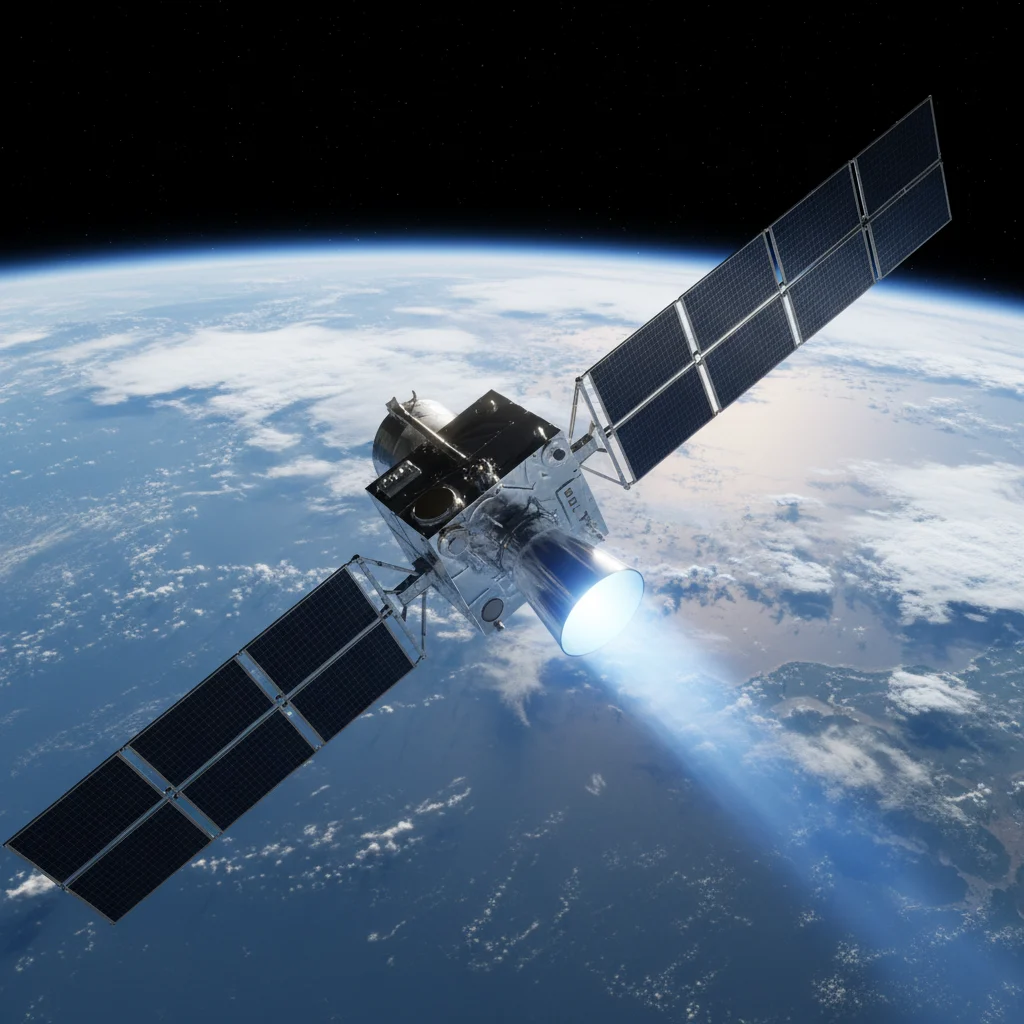
Indian space technology startup Bellatrix Aerospace has secured $20 million in a Pre-Series B funding round to accelerate the mass production of its in-orbit propulsion systems. The capital injection arrives as the company transitions from technology demonstration to full-scale commercial manufacturing to meet rising global demand for satellite mobility solutions.
Scaling Up Manufacturing Infrastructure
Cactus Partners spearheaded the new funding round. The raise also attracted fresh capital from a syndicate of new investors, including Hero Investment Office, 35North Ventures, Indusbridge Ventures, and Monarch Holdings.
Existing backers demonstrated continued confidence in the startup’s trajectory. Inflexor Ventures, Pavestone VC, GrowX, StartupXseed, and Survam Partners all participated in the Pre-Series B round, building upon their previous investments.
The new capital will directly fund the physical infrastructure required to build thrusters at a commercial scale, moving the company beyond the prototyping phase.
“This round reflects strong conviction in our ability to scale,” Bellatrix CEO and cofounder Rohan Ganapathy stated following the announcement. “We’ve flight-qualified our core technologies. Now we’re building the production infrastructure to match.”
From Concept to Flight Heritage
Founded in 2015, Bellatrix initially set out to develop Hall-effect thrusters capable of powering a diverse array of orbital missions. The company has steadily hit critical development milestones over the past decade.
In 2022, Bellatrix successfully closed an $8 million Series A funding round. That same year, the company completed India’s first test of a high-performance propulsion system utilizing green-fuel alternatives.
Traditional chemical propulsion systems often rely on hydrazine, a highly toxic and volatile chemical that requires expensive, specialized handling procedures on the ground. By developing green-fuel alternatives, Bellatrix aims to drastically reduce pre-launch operational costs and improve safety protocols at launch sites.
The startup achieved crucial flight heritage earlier in 2024. The company successfully qualified both its green and electric propulsion systems in the harsh environment of space.
Achieving flight heritage serves as a critical commercial validator in the aerospace industry. Satellite manufacturers rarely integrate unproven hardware into multi-million-dollar spacecraft.
Following this validation, Bellatrix rapidly secured commercial agreements. The company signed contracts to collaborate with major space entities, including Astroscale Japan and NewSpace India Limited, the commercial arm of the Indian Space Research Organisation (ISRO).
Pushing the Envelope in Low Earth Orbit
Bellatrix continues to test new hardware in orbit to expand its product portfolio. The company recently launched its Harbinger satellite aboard the SpaceX Transporter-16 rideshare mission.
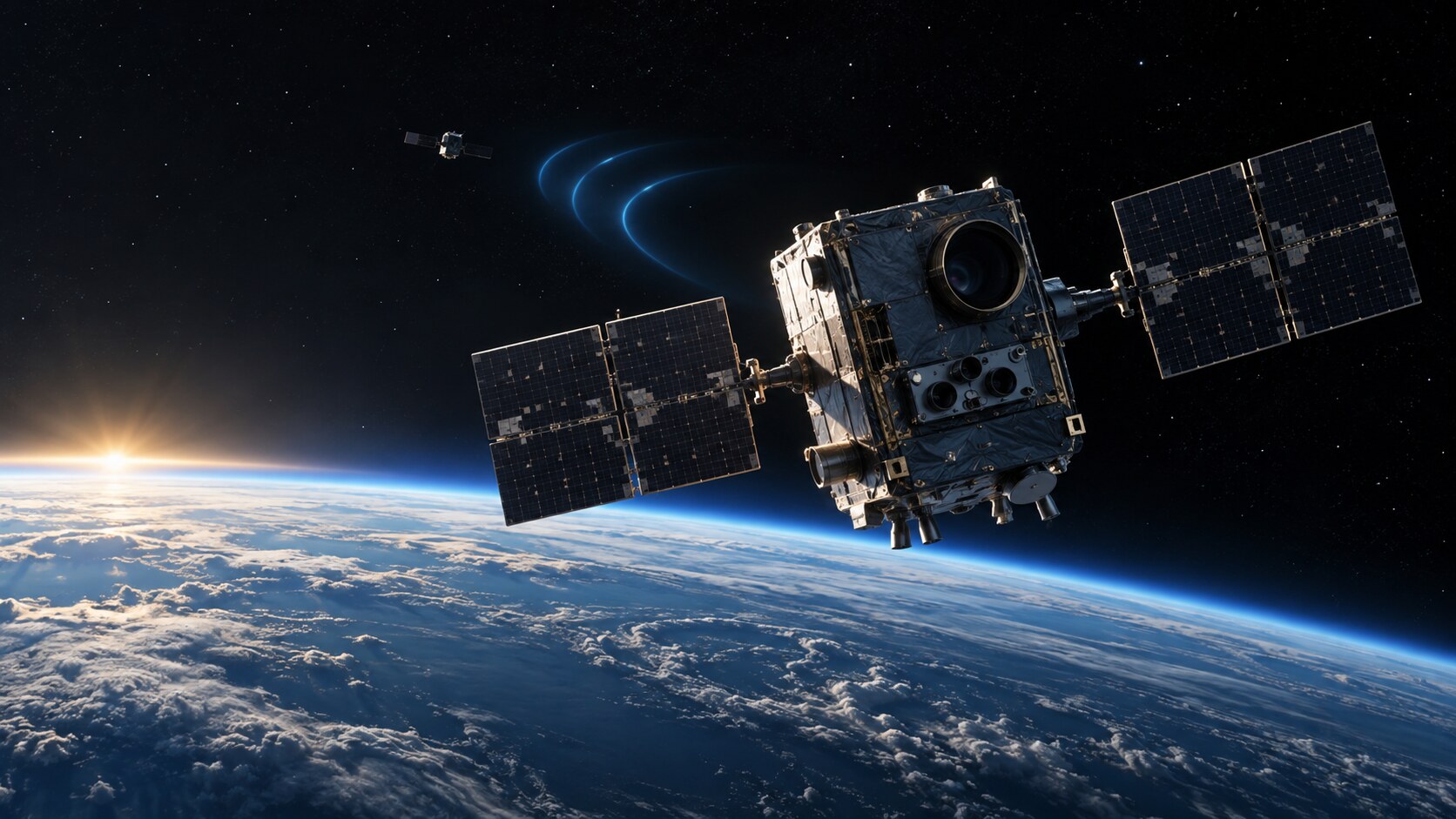
The Harbinger spacecraft serves as a flying testbed for multiple proprietary technologies in low Earth orbit (LEO). Among the systems being tested is an in-house designed Attitude Determination and Control System (ADCS), a technology essential for precisely orienting spacecraft.
The Transporter-16 mission also represents a stepping stone for Bellatrix’s future ambitions. The company aims to eventually fly operational missions at altitudes below traditional LEO, a challenging environment that requires continuous propulsion to counteract atmospheric drag.
Strategic Global Expansion
While rooted in India, Bellatrix is aggressively pursuing the international space market. Last April, the company officially expanded its footprint by establishing a subsidiary in the United States.
The expansion strategy includes plans to open a dedicated satellite-production factory on US soil. Establishing a US presence allows Bellatrix to better serve American commercial operators and potentially navigate the complex regulatory environment surrounding US government space contracts.
At the time of the US expansion, Bellatrix announced it had signed a Memorandum of Understanding (MOU) with a “prominent US satellite manufacturer.” The company has kept the partner’s identity confidential.
Capitalizing on a Booming Space Economy
The $20 million raise highlights a broader trend of intense venture capital interest in specialized space hardware. As satellite constellations multiply, the demand for reliable, scalable, and sustainable in-space mobility solutions has skyrocketed.
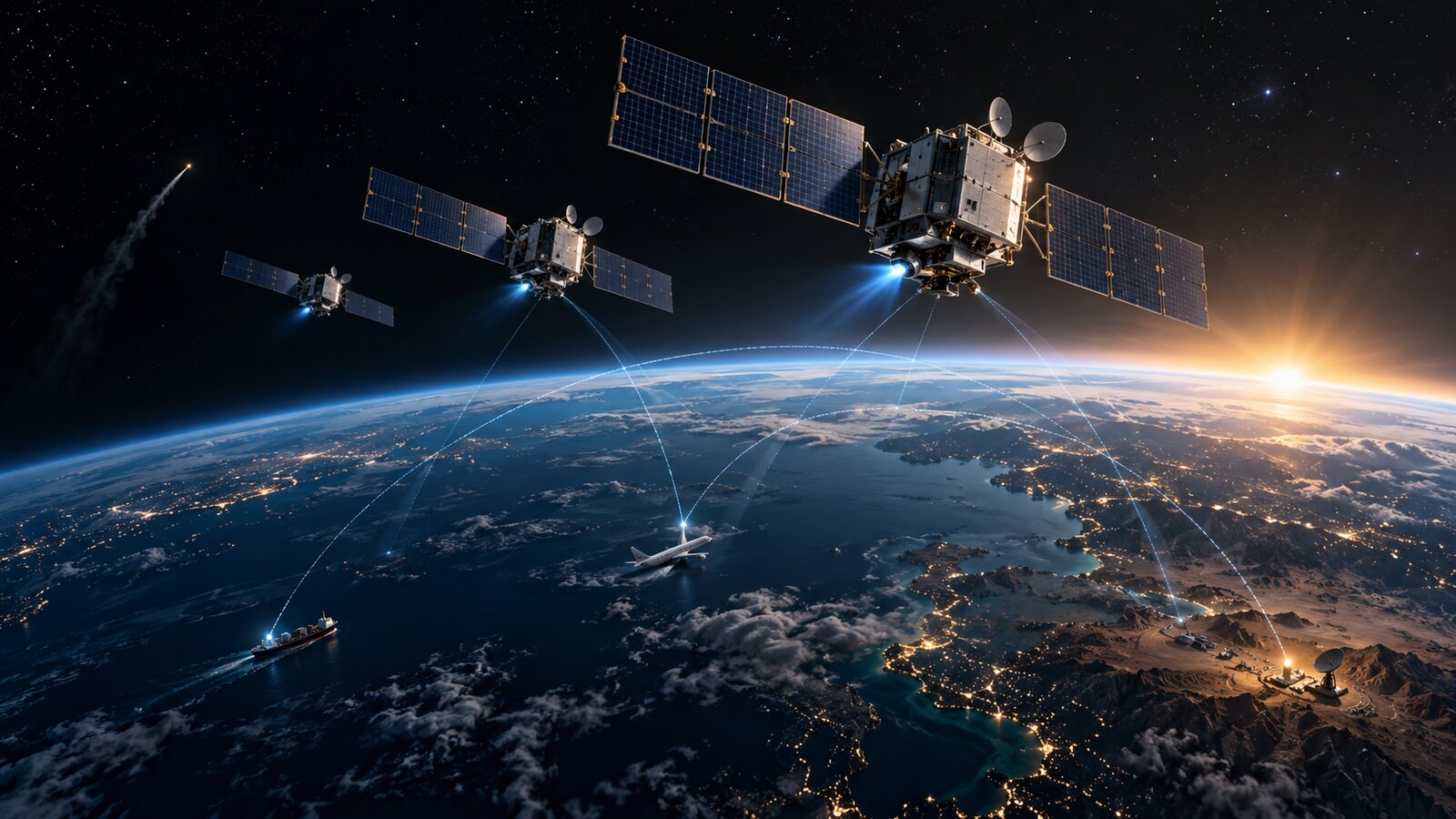
The proliferation of megaconstellations in LEO has fundamentally altered the propulsion market. Spacecraft now require robust propulsion not just for station-keeping, but for collision avoidance in increasingly crowded orbits, and for responsible de-orbiting at the end of their operational lifespans to mitigate space debris.
This trend is evident across the global space sector. Recent weeks have seen massive capital influxes into space infrastructure, from Xona Space Systems’ $170 million Series C for private GPS networks to Arkadia Space securing €14.5 million for bipropellant engine development.
For Bellatrix, the immediate focus remains on executing existing contracts. The company currently sits on a substantial order book that requires rapid scaling to fulfill.
“This investment ensures we can fulfill our multi-million-dollar backlog with the speed and margin required for global scale,” Bellatrix cofounder and COO Yashas Karanam noted.
Industry Implications and What to Watch Next
The successful capitalization of Bellatrix Aerospace signals a maturing supply chain within the global commercial space sector. Satellite manufacturers are increasingly relying on specialized third-party vendors for critical subsystems like propulsion, rather than developing them in-house.
Looking ahead, the industry will closely monitor Bellatrix’s ability to transition from a boutique engineering firm to a volume manufacturer. The successful operationalization of its planned US manufacturing facility will serve as a key indicator of its global competitiveness.
Furthermore, the performance of the Harbinger satellite’s ADCS payload could open new revenue streams for the company beyond pure propulsion. If Bellatrix successfully demonstrates capabilities for sustained operations below LEO, it could unlock an entirely new orbital regime for Earth observation and telecommunications operators seeking lower latency and higher resolution data.