
Arizona-based launch startup Phantom Space announced today the acquisition of substantial assets and intellectual property from Vector Launch. Vector, a former competitor in the small-lift launch market, originally filed for bankruptcy in 2019. The strategic buyout, fueled by a recently closed eight-figure funding round, aims to significantly accelerate the development of Phantom’s Daytona launch vehicle.
A Full-Circle Aerospace Buyout
The acquisition represents a full-circle moment for Phantom Space CEO Jim Cantrell. Cantrell originally founded Vector Launch in 2016 before departing to establish Phantom Space in 2019. Following his exit, Vector struggled to maintain operational momentum and ultimately filed for Chapter 11 bankruptcy protection.
Subsequent attempts by new management to revive Vector’s launch ambitions proved unsuccessful over the past five years. Now, Phantom Space is absorbing the remnants of Vector’s dormant infrastructure to bolster its own aggressive aerospace timelines.
While Phantom Space declined to disclose the exact financial terms of the buyout, Cantrell confirmed the purchase was made possible by a previously unannounced Series B financing round. This funding tranche closed late last year and secured capital in the eight-figure range, providing the necessary liquidity to acquire the legacy hardware.
Accelerating the Daytona Rocket
According to Cantrell, approximately 80 percent of the newly acquired assets will directly support and expedite the engineering roadmap for Phantom’s Daytona rocket. Procuring ground support equipment and test stands second-hand slashes capital expenditure and bypasses lengthy manufacturing lead times.
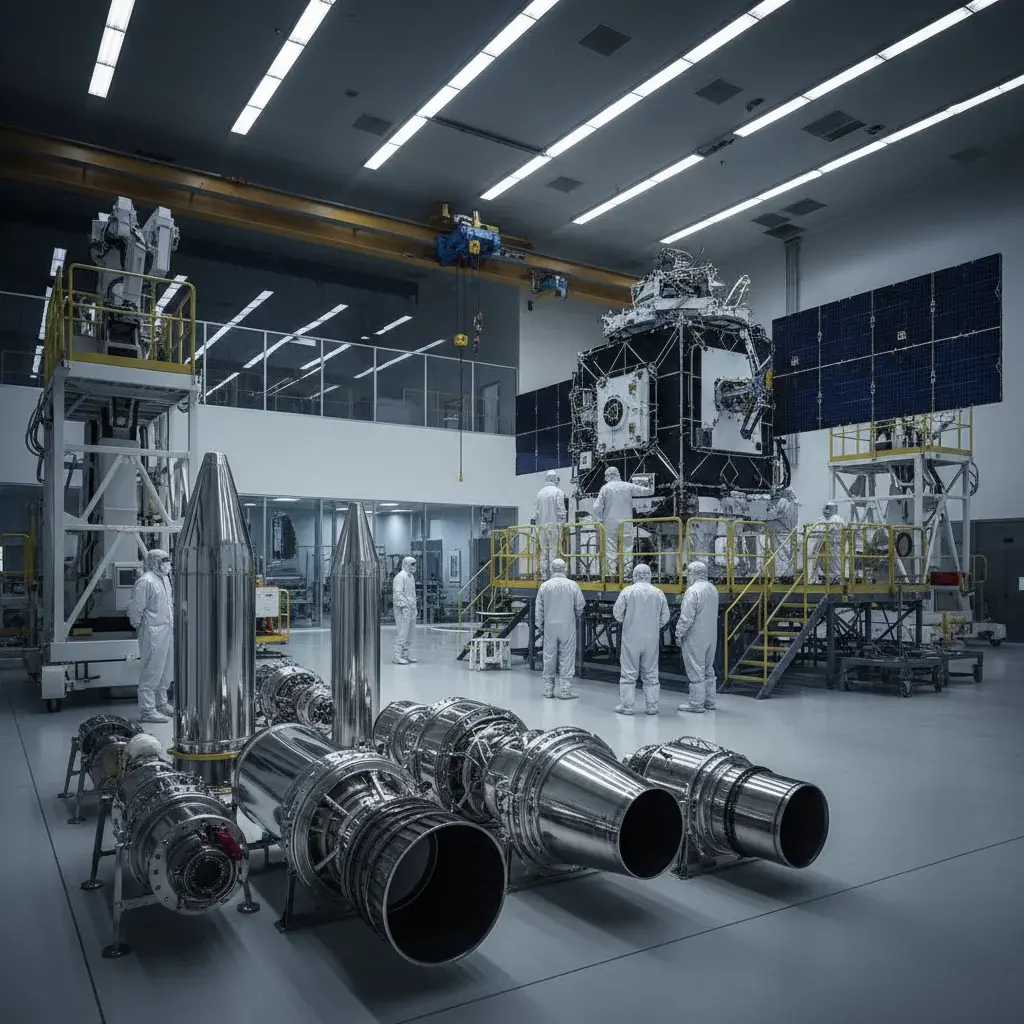
The physical and intellectual property changing hands is extensive. The inventory includes critical launch control center technology, advanced communications equipment, and a fully operational mobile launcher. Furthermore, the deal encompasses a vast repository of engineering data, specialized tooling equipment, a large inventory of raw parts, and various proprietary technologies.
Interestingly, the transaction includes the actual launch vehicle Vector was preparing to fly, alongside multiple rocket engines. However, Phantom management indicated they will likely not utilize the legacy rocket body or engines due to fundamental differences in their current architectural design.
The Daytona vehicle remains on schedule for comprehensive stage-level testing before the end of the current calendar year. If testing proceeds nominally, Cantrell projects the vehicle’s first orbital flight will occur in the latter half of 2027.
To support this launch cadence, Phantom is actively developing critical ground infrastructure on both coasts of the United States. Construction and refurbishment efforts are ongoing at Launch Complex 13 (LC-13) at Cape Canaveral Space Force Station in Florida, as well as Space Launch Complex 5 (SLC-5) at Vandenberg Space Force Base in California.
The Pivot to Orbital Data Centers
Beyond launch vehicles, Phantom Space is simultaneously aggressively expanding its satellite constellation capabilities. The company initially planned a sequential business model, focusing first on perfecting the launch vehicle before transitioning to satellite deployment. However, shifting market dynamics have forced a strategic pivot.
Cantrell pointed to broader industry shifts as the catalyst for this accelerated dual-track approach.