
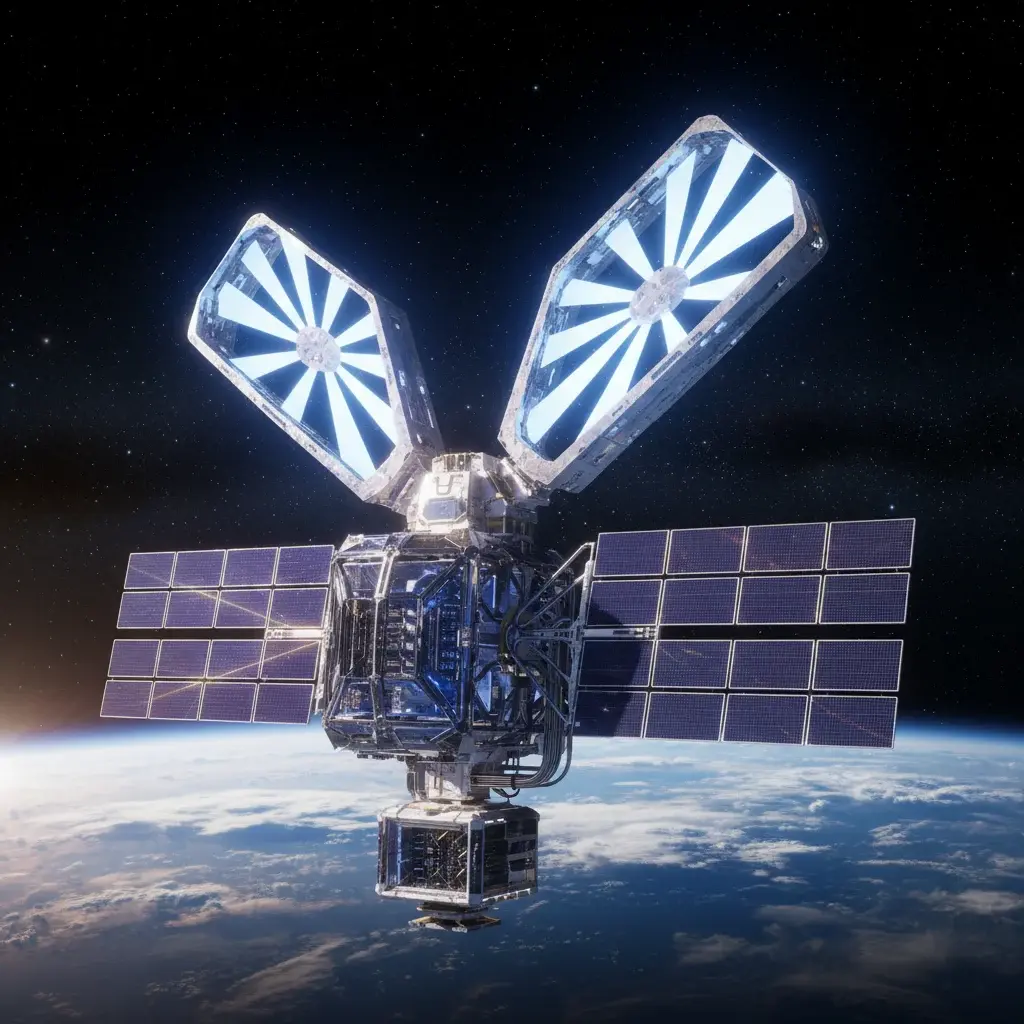
Redmond-based startup Starcloud announced a $170 million Series A funding round at a $1.1 billion valuation today, capitalizing on surging investor interest in orbital data centers just two years after its founding.
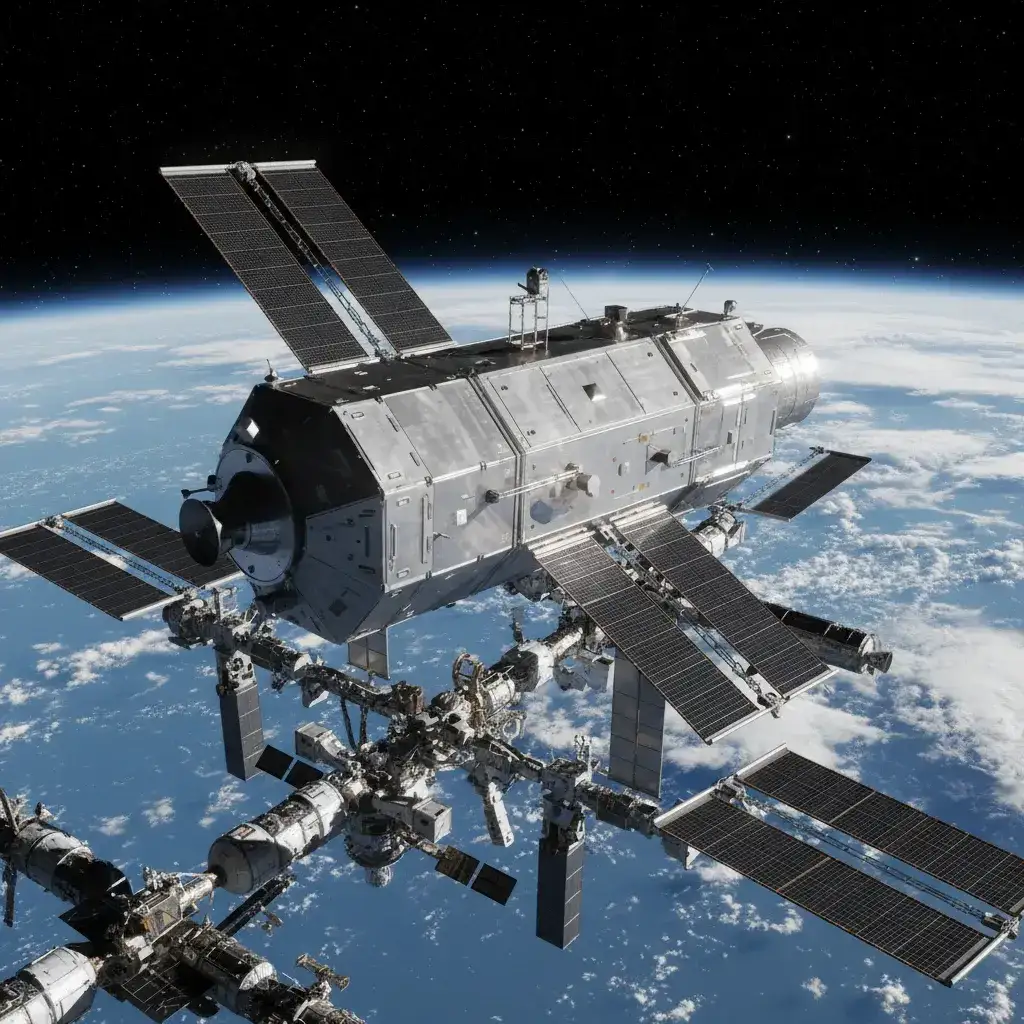
The intersection of artificial intelligence and space commercialization has created a new frontier for data processing. As terrestrial data centers face immense power constraints, grid limitations, and real estate shortages, placing compute infrastructure in low Earth orbit offers a novel solution. Starcloud aims to operate server farms in space, bypassing Earth-bound power limitations while providing secure, low-latency processing for both space-generated data and terrestrial workloads.
A Heavily Oversubscribed Cap Table
The massive capital injection highlights an aggressive push by venture capitalists to secure stakes in off-planet infrastructure. The funding was structured across two distinct tranches.
Benchmark led the initial round alongside EQT Ventures. Both prominent venture firms then returned to co-lead the extension tranche, signaling strong internal conviction in the startup’s rapid progress.
The syndicate features a robust roster of institutional backers. Macquarie Capital, NFX, Nebular, Y Combinator, Adjacent, Seven Seven Six, Fuse Ventures, Manhattan West, and Monolith Power Systems all participated in the round.
Starcloud also attracted high-profile angel investors with deep aerospace, military, and corporate scaling expertise. Gen. Stephen Wilson, former Air Force vice-chief of staff, joined former Boeing CEO Dennis Muilenburg and former Starbucks CEO Kevin Johnson in backing the venture.
First-Mover Advantage and Flight Heritage
The funding round underscores overwhelming market demand for space-based computing and Starcloud’s distinct first-mover advantage. The company already boasts crucial flight heritage, a rarity that separates it from paper-stage competitors in the nascent orbital data sector.
“At the current price, we could’ve easily taken three times the amount of capital,” Starcloud CEO Philip Johnston said. He noted the scarcity of viable investment vehicles in this specific technological niche.
“Because if you want exposure to this, which everybody does, who else are you going to back?” Johnston added. “I mean, you can’t back Google, you can’t back Amazon, and we’re like a mile ahead of any other startup.”
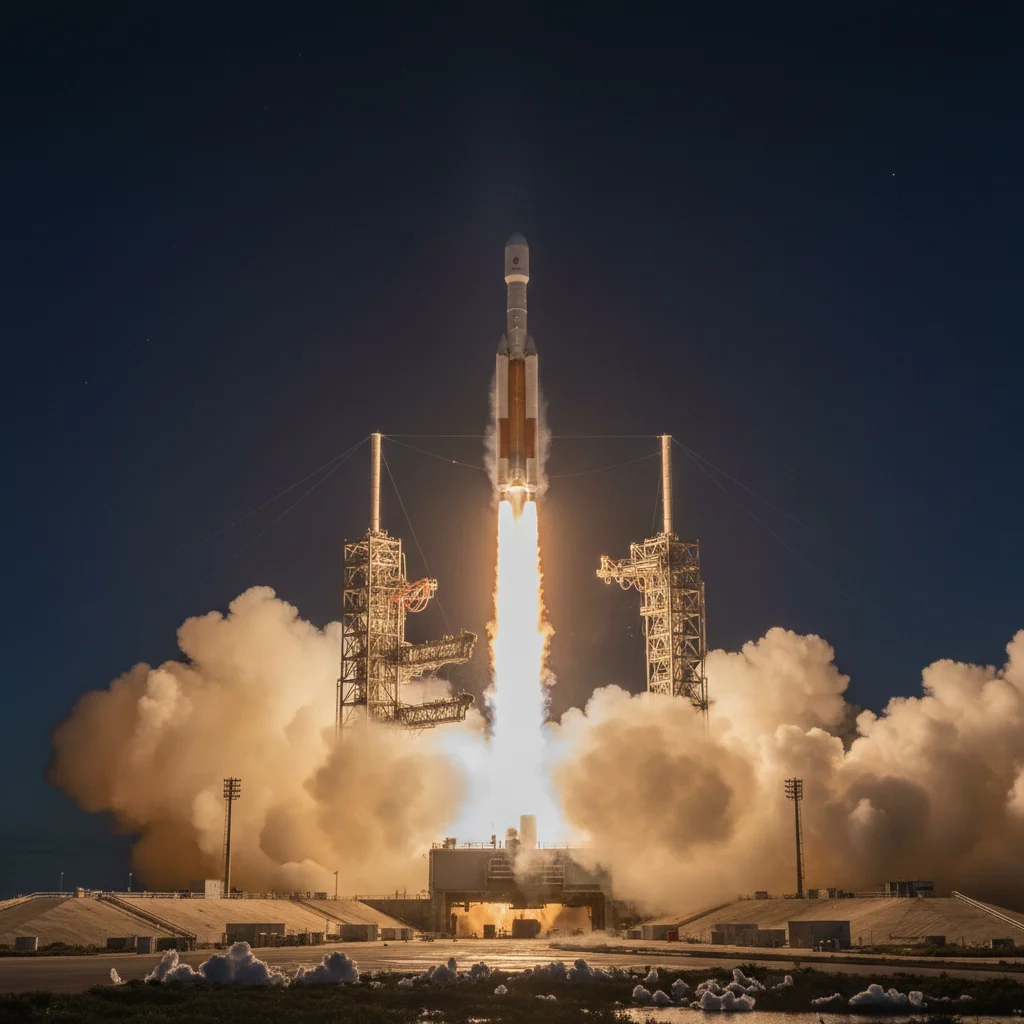
Starcloud proved its core concept in November when its first spacecraft, Starcloud-1, reached orbit aboard the SpaceX Falcon 9 Bandwagon-4 rideshare mission. The landmark flight successfully delivered an NVIDIA H100 GPU to space for the very first time.
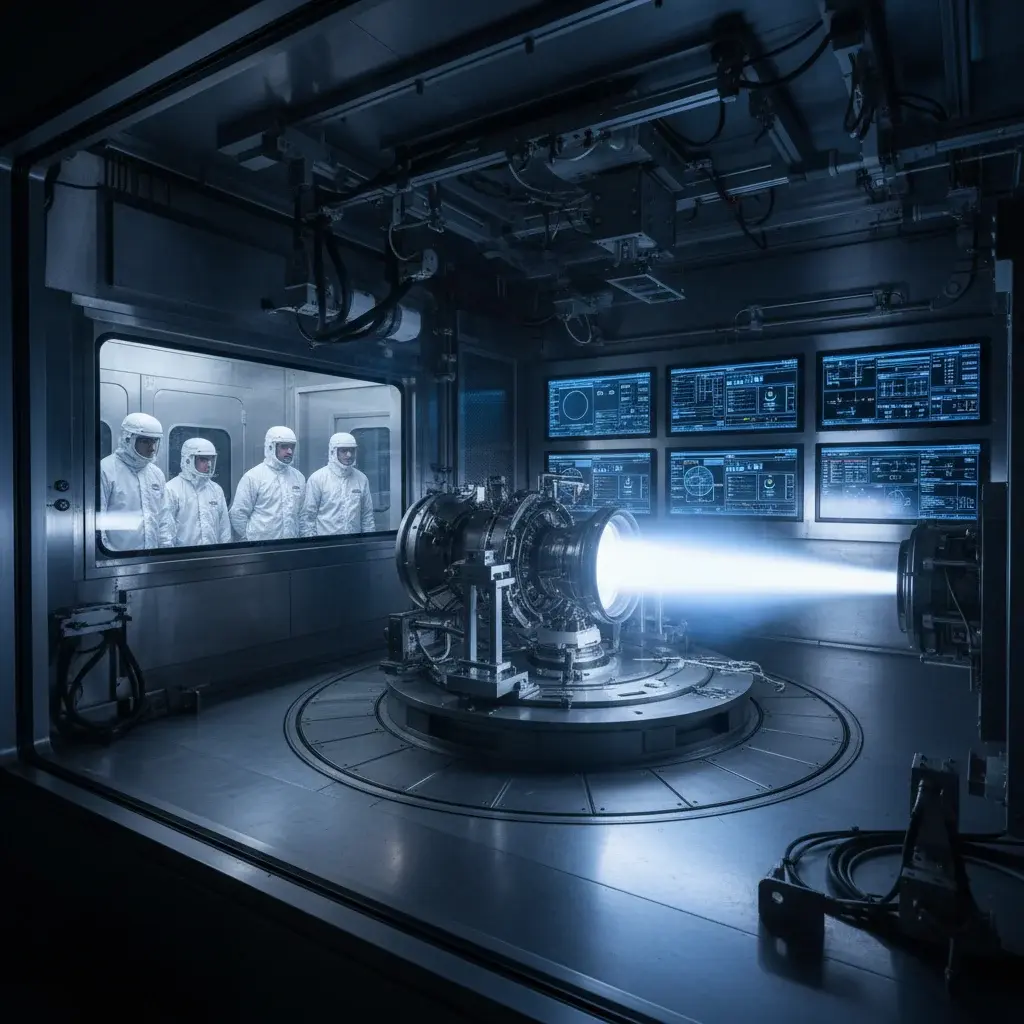
During the mission, Starcloud demonstrated its ability to maintain AI-enabled hardware operations despite the harsh radiation and extreme thermal fluctuations of the orbital environment. Surviving these conditions without standard atmospheric cooling is widely considered the primary bottleneck for off-planet computing.
Scaling Compute Power with Starcloud-2
For its second mission scheduled later this year, the company plans an exponential leap in hardware capability and power generation.
Starcloud-2 aims to generate 100 times more power than its predecessor. To manage the massively increased thermal load generated by high-performance computing, the spacecraft will feature a deployable radiator that the company claims will be the largest ever utilized in orbit.
The upcoming spacecraft will carry an array of advanced computing hardware. The payload includes NVIDIA’s next-generation Blackwell chip, AWS Outposts infrastructure, and specialized Application-Specific Integrated Circuits (ASICs) designed for bitcoin mining.
Once deployed, Starcloud-2 will execute edge computing and cloud workloads directly in orbit. Customers and partners slated to utilize the Starcloud-2 infrastructure include tech giants AWS, Google Cloud, NVIDIA, and climate-aligned compute provider Crusoe.
Industrialization and Future Market Applications
Starcloud will deploy its fresh capital to rapidly scale operations and internalize spacecraft production. The startup plans to establish a new manufacturing facility dedicated to producing the larger Starcloud-3 spacecraft line.
To support this industrialization phase, the company expects to expand its workforce from 13 employees to approximately 50 by the end of the year. By bringing a significant portion of manufacturing in-house, Starcloud aims to drastically reduce production costs and iterate designs faster.
Ultimately, Johnston identifies three primary market applications for orbital data centers over the coming decade.
First, the infrastructure will provide immediate compute power for data generated in space. This decreases latency for customers requiring near-real-time analysis of satellite imagery, defense telemetry, or weather patterns.
Second, orbital centers will process terrestrial data workloads in space to ensure absolute data security and sovereign isolation, effectively creating air-gapped servers beyond national borders.
Finally, the company envisions eventually competing directly with terrestrial data centers for everyday computing tasks, leveraging the infinite solar power and vacuum cooling of space.
The Starship Dependency
Achieving price parity with Earth-bound servers relies entirely on drastically reducing launch costs. While Starcloud’s initial business model serving space-native data remains viable utilizing current SpaceX Falcon 9 launch pricing, broader commercialization requires next-generation heavy-lift vehicles.
“The big constraint is getting them up cheaply,” Johnston said regarding the deployment of future spacecraft fleets. “The first business model works with Falcon 9 launch costs.”
“The second business model does not work with Falcon 9 launch cost under any scenario, really, so we do need Starship—or a much lower launch cost vehicle—to be running for the second business model to work,” Johnston explained.
As the broader space technology ecosystem scales—evidenced by concurrent massive fundraises from startups like Bellatrix Aerospace for in-orbit propulsion and Dispatch for in-orbit manufacturing—infrastructure companies are positioning themselves for a cheaper launch paradigm.
With Starcloud targeting commercial flights on SpaceX’s Starship by the end of 2028, the success of massive orbital compute constellations will hinge directly on the timeline and pricing of super-heavy launch vehicles. Investors and industry observers will now watch closely to see if Starcloud can successfully deploy its massive radiator and Blackwell chips later this year, a critical technical milestone required before mass manufacturing can begin.

Leave a Reply