

Axiom Space CEO Jonathan Cirtain detailed the rapid financial maturation of the space economy and the impending industrialization of Low Earth Orbit (LEO) during a Thursday broadcast of the SpaceNews Space Minds podcast. Speaking with host David Ariosto, Cirtain outlined how private enterprise is actively laying the groundwork to replace the International Space Station (ISS) and transform Earth’s immediate orbital frontier into a bustling commercial hub.
The discussion highlighted a pivotal transition period as commercial entities prepare to take over orbital operations from government agencies. The weekly Space Minds podcast regularly features compelling interviews with industry founders and scientists, and Thursday’s episode provided critical insights into the strategic roadmaps guiding the privatization of space infrastructure.
The Transition from Public to Private Orbit
For over two decades, the ISS has served as the primary outpost for human spaceflight and microgravity research. However, NASA plans to retire and deorbit the aging laboratory by 2030, creating a hard deadline for the commercial sector to establish viable alternatives.
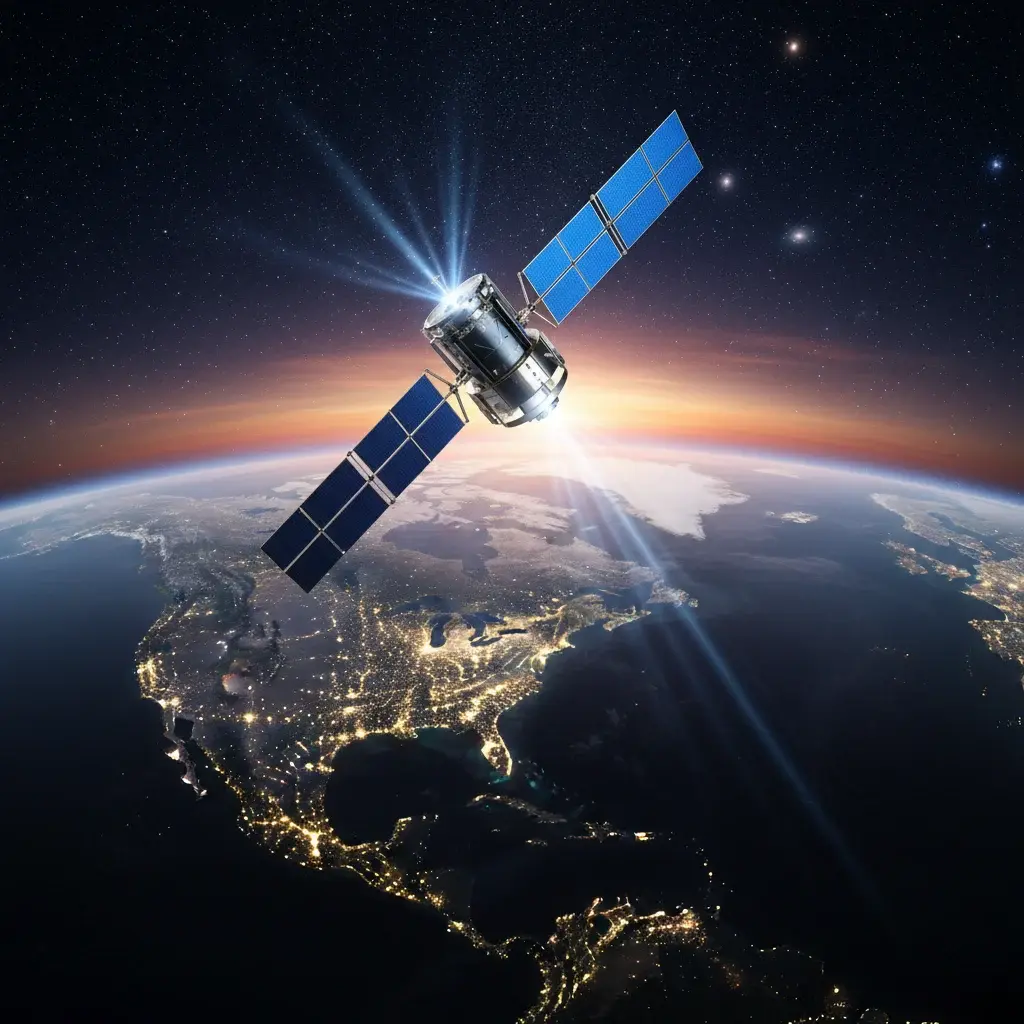
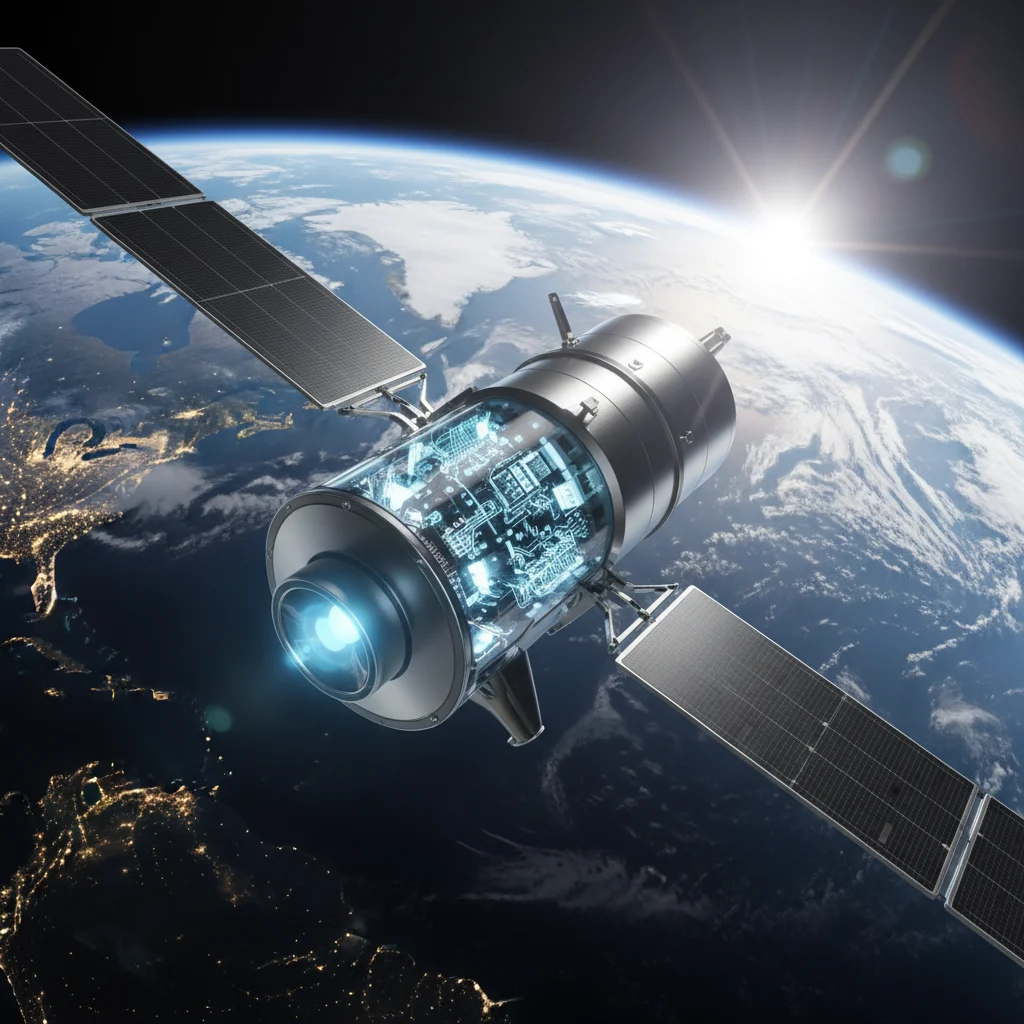
Axiom Space currently leads this transition, holding a unique contract with NASA to attach its commercial modules directly to the ISS. These modules will eventually detach to form an independent, free-flying space station before the ISS is decommissioned.
This handover represents a fundamental shift in how humanity operates in space. Government agencies are evolving from sole proprietors of orbital infrastructure to customers purchasing services from private operators.
By acting as an anchor tenant rather than an owner-operator, NASA aims to stimulate a competitive marketplace in LEO. This strategy mirrors the successful Commercial Crew Program, which revolutionized launch services through private partnerships.
Financial Indicators of a Maturing Sector
During the podcast, Cirtain highlighted key financial signals demonstrating that the space economy is moving past its speculative infancy. The industry is witnessing a shift in capital structures, moving away from high-risk venture capital toward more traditional, debt-based financing methods.
Infrastructure projects in LEO now attract institutional investors looking for long-term, stable yields. This mirrors the financial evolution seen in terrestrial infrastructure projects, signaling deep market confidence in the viability of space-based business models.
Analysts at major financial institutions project the global space economy will reach $1 trillion by 2040. While much of this growth stems from satellite broadband, commercial LEO stations represent a rapidly growing secondary market with massive upside potential.
Revenue streams for these orbital outposts are diversifying rapidly. Private space stations will generate income through sovereign astronaut programs, private spaceflight tourism, in-space manufacturing, and pharmaceutical research.
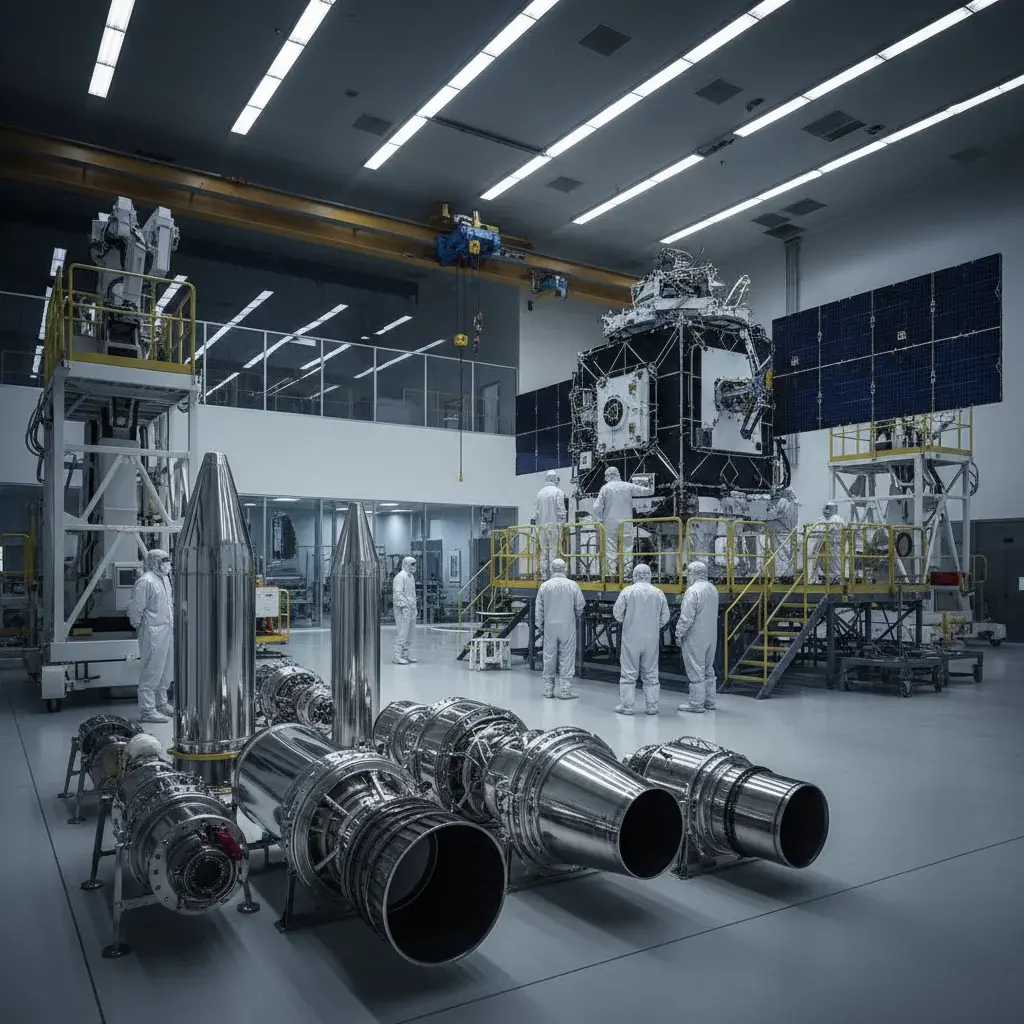
Microgravity offers unique manufacturing environments impossible to replicate on Earth. Companies are already testing the production of high-quality fiber optics, advanced semiconductors, and flawless retinal implants in orbit.
Expanding the Space Workforce
The commercialization of LEO is radically altering the career landscape within the aerospace sector. Cirtain noted both the challenges and wonders of launching a career in today’s rapidly evolving space industry.
Historically, space careers were strictly limited to government-trained astronauts, aerospace engineers, and astrophysicists. Today, the workforce requirements are expanding to include diverse disciplines necessary for sustaining a standalone commercial economy.
Private space companies actively recruit experts in biomedical engineering, materials science, hospitality, and international business development. Manufacturing specialists are particularly in demand to design automated systems that can mass-produce goods in zero gravity.
This diversification presents new challenges in workforce training and recruitment. Universities and technical schools are now racing to develop specialized curricula to feed the growing talent pipeline required by companies like Axiom Space.
A Proving Ground for Deep Space
While the immediate focus remains on LEO, commercial outposts serve a broader purpose for human exploration. Cirtain emphasized how a sustained commercial presence near Earth prepares humanity to explore farther into the solar system.
LEO acts as a critical testing environment for next-generation space technologies. Closed-loop life support systems, advanced radiation shielding, and new propulsion mechanisms can be rigorously tested just a few hundred miles above Earth, where emergency return is still feasible.
Axiom Space is already heavily involved in this deep space architecture. The company holds the primary NASA contract to develop the next-generation spacesuits that Artemis astronauts will wear on the lunar surface.
By shifting the financial and operational burden of LEO to private industry, government agencies can redirect their budgets toward deep space exploration. Commercial stations will serve as staging grounds and research hubs for future crewed missions to the Moon and Mars.
Implications for the Orbital Frontier
The successful transition from government to commercial space stations will dictate the pace of human space exploration for the next century. If companies like Axiom Space meet their deployment timelines, LEO will seamlessly transform into a multi-trillion-dollar industrial and research zone.
However, the industry faces immense pressure to launch and assemble these private outposts before the ISS reaches the end of its operational life. A delay in commercial deployment could result in a critical gap in human presence in orbit.
Such a gap would severely disrupt microgravity research and could potentially cede LEO dominance to international competitors like China, which currently operates its own newly completed Tiangong space station.
Industry observers and investors will closely watch the impending launch of Axiom’s first habitable module, scheduled to dock with the ISS in the coming years. The successful deployment and operation of this module will provide the ultimate litmus test for the viability of the commercial orbital economy.

Leave a Reply