For All Moonkind, a space preservation nonprofit, has officially launched the Institute on Space Law and Ethics to rapidly develop behavioral guidelines for the burgeoning commercial space sector. The initiative aims to outpace traditional international regulatory bodies by drafting actionable white papers on lunar payloads, corporate protections, and ethical operations beyond Earth’s orbit.
The commercial space industry is advancing at a breakneck pace, frequently outpacing the legislative capabilities of international entities. With private companies planning lunar hotels, deploying nuclear power solutions, and launching personal mementos to the lunar surface, the absence of clear legal frameworks has created a precarious regulatory vacuum.
The Race Against Regulatory Lag
The newly formed institute features a leadership board scheduled to convene on a monthly basis. Alongside this board, a dedicated cohort of fellows will commit to a two-year project timeline, working concurrently with their regular professional or academic obligations.
Their primary objective is to produce agile policy recommendations that address ethical dilemmas in real-time. This rapid-response approach is designed to provide a framework for responsible behavior before commercial activities establish irreversible, and potentially harmful, precedents.
Michelle Hanlon, founder of For All Moonkind, emphasized the urgency of the institute’s mission while attending United Nations meetings in Vienna. “I’m here at the UN. I love COPUOS [Committee on the Peaceful Uses of Outer Space],” Hanlon stated. “But they’re not going to produce the law in the time that we need it.”
Payload Ethics and the Lunar Attic
The institute’s inaugural white paper, expected within three weeks, will heavily scrutinize payload review processes. This urgent focus aims to establish ethical boundaries for companies that transport personal items to the Moon for commercial profit.
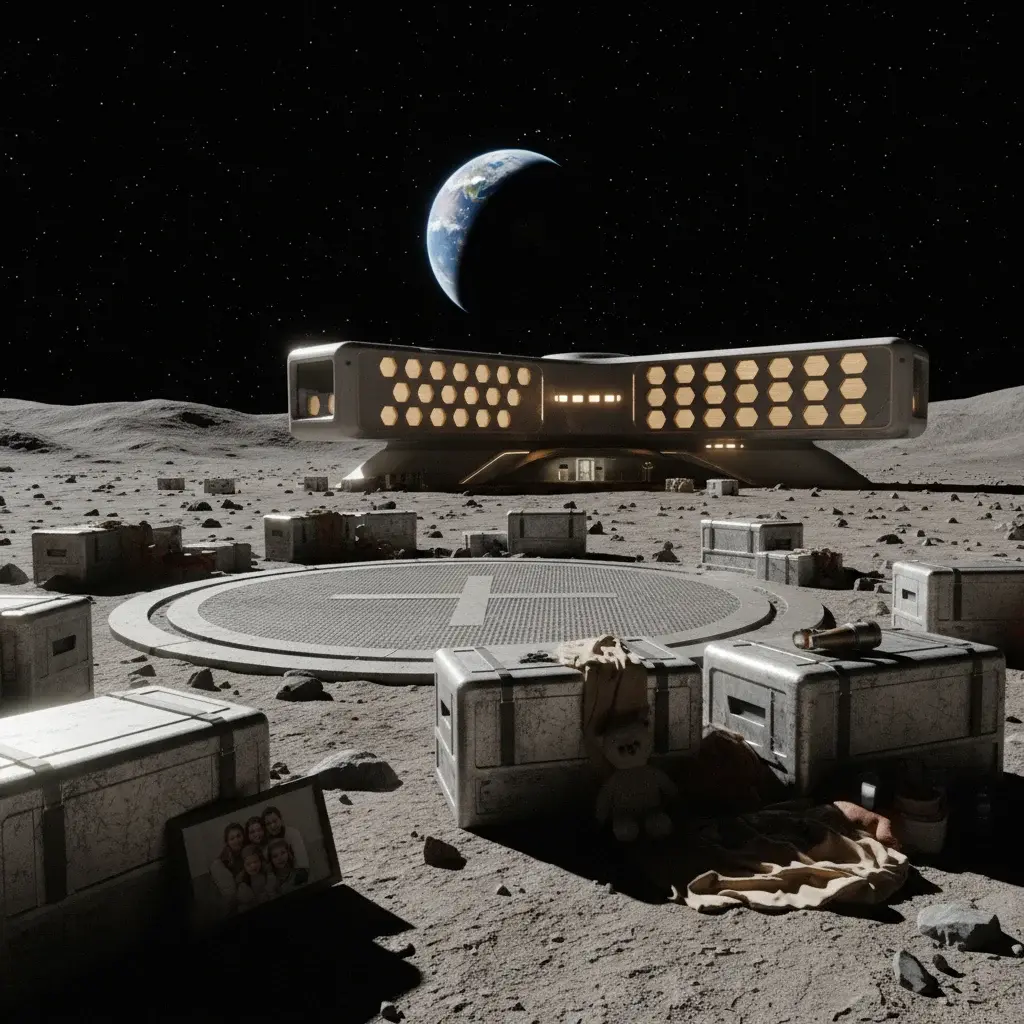
Astrobotic, a prominent space logistics firm, currently exemplifies this trend with its “MoonBox” service. The company charges individuals hundreds to thousands of dollars to send mementos, ranging from family photographs to wedding flower petals, to the lunar surface.
Hanlon expressed deep concern over the unchecked commercialization of the lunar surface for trivial purposes. “The idea of sending anything you want to the Moon because you have the money to do so is alarming,” she noted.
“If in May, we send 10 little personal items, in May 2024 it’ll be 1,000, then 50,000,” Hanlon warned. “Then all of a sudden, the moon is this big attic for rich people.”
Corporate Security in the Final Frontier
Beyond payload ethics, the institute will tackle complex geopolitical and security questions. A forthcoming manual will detail a sovereign nation’s obligations to its commercial space actors operating in deep space.
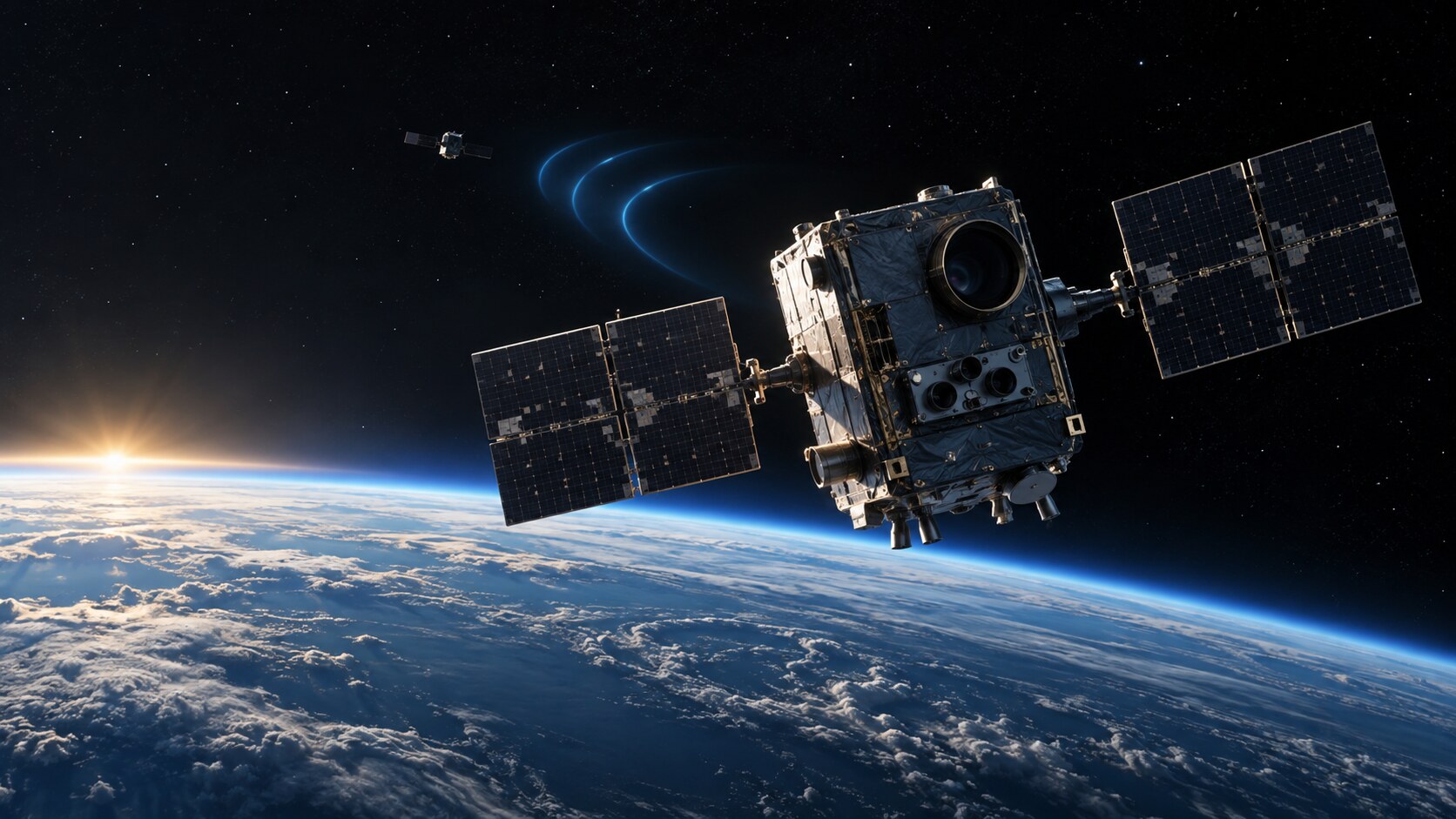
If a foreign entity or rival business intentionally damages an American-operated satellite or commercial space station, the military’s responsibility to respond remains legally ambiguous. Resolving this uncertainty carries massive implications for institutional investors, who require baseline security guarantees before funding multi-billion-dollar orbital ventures.
The Commercial Lunar Gold Rush
The urgency for robust legal frameworks is underscored by a massive, industry-wide pivot toward lunar development. NASA recently established its Moon to Mars Program Office, appointing Amit Kshatriya to oversee crewed missions and handle the complex legal, technical, and scientific challenges associated with deep space exploration.
“The Moon to Mars Program Office will help prepare NASA to carry out our bold missions to the Moon and land the first humans on Mars,” said NASA chief Bill Nelson. “The golden age of exploration is happening right now, and this new office will help ensure that NASA successfully establishes a long-term lunar presence.”
This renewed lunar focus is echoed across the sector. NASA Administrator Jared Isaacman has aggressively championed a return to the Moon during his first 100 days in office. Simultaneously, SpaceX recently announced a strategic pivot, delaying its Mars ambitions to focus entirely on lunar operations—a sharp reversal from CEO Elon Musk’s previous comments dismissing the Moon as a “distraction.”
Startups are rapidly laying the groundwork for a permanent lunar economy, further complicating the ethical landscape. Deep Space Energy recently secured €980,000 to develop European space nuclear power. This technology is critical for surviving the 14-day lunar night, a harsh stretch of darkness that is typically a death sentence for solar-powered missions.
Space tourism is also accelerating toward reality. GRU Space has officially opened bookings for a planned lunar hotel slated to open its airlocks in 2032. The company is currently accepting $1 million deposits from aspiring lunar tourists, signaling robust commercial interest in private lunar habitats.
Implications for Lunar Governance
As millions of dollars flow into lunar infrastructure, tourism, and logistics, the Institute on Space Law and Ethics faces a critical race against time. The immediate release of their payload review guidelines will serve as a vital test of whether non-governmental organizations can effectively pressure the commercial space sector into voluntary self-regulation.
Moving forward, industry watchers and institutional investors will closely monitor how major spacefaring nations engage with these new ethical frameworks. The ultimate challenge over the next decade will be balancing the protection of lucrative commercial space assets while preventing the Moon from becoming an unregulated, commercialized dumping ground. Regulatory bodies will likely be forced to adopt these third-party frameworks as the de facto standard if international consensus continues to lag behind commercial innovation.