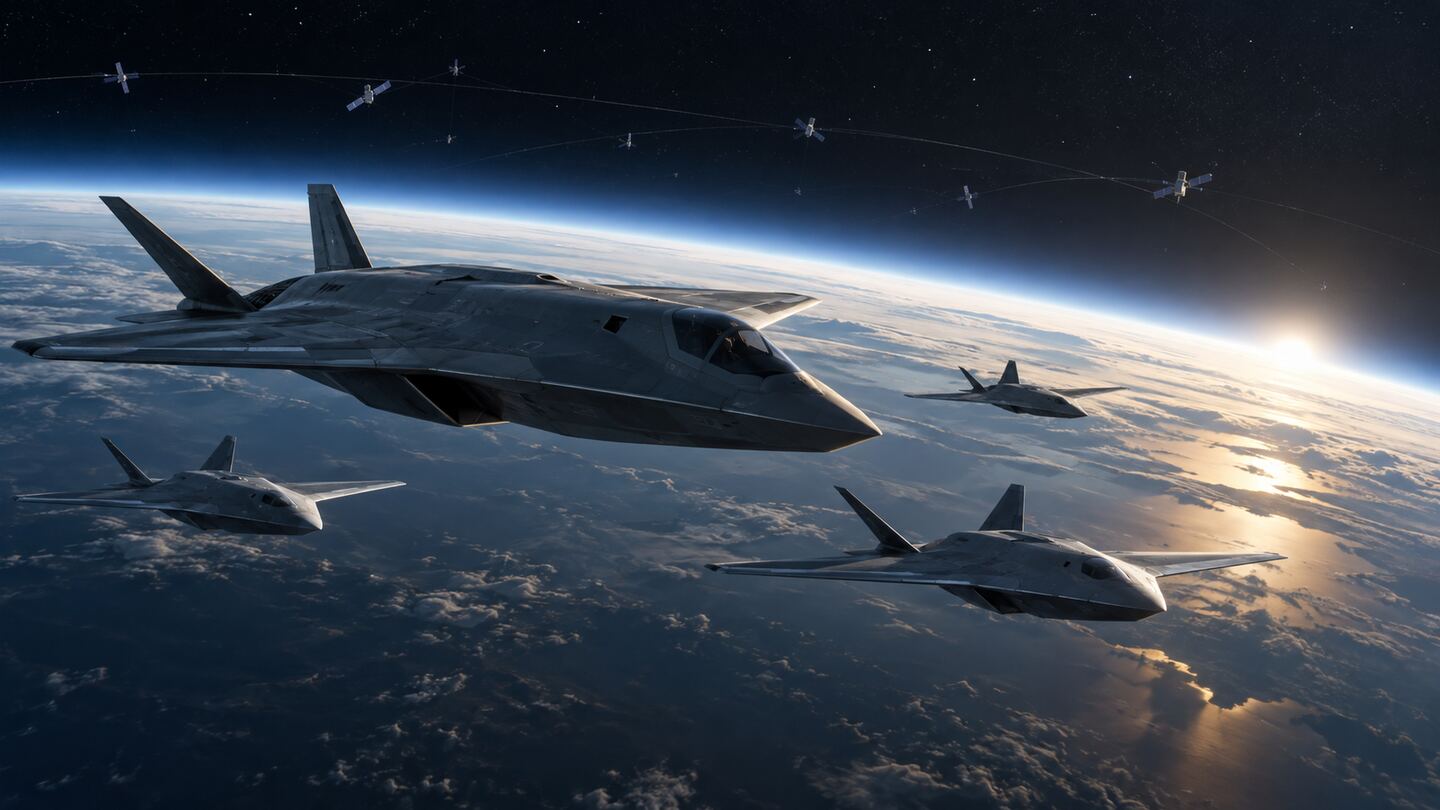

Space enthusiasts and aerospace professionals worldwide are currently casting their ballots to determine the greatest science fiction spaceship of all time ahead of a strict April 14 voting deadline. The global poll will culminate in a live, high-stakes debate at the upcoming Space Symposium, where industry experts will aggressively defend the winning vessels. Organized to bridge the gap between popular culture and actual aerospace engineering, the interactive event highlights how fictional universes continue to shape real-world space exploration.
The Intersection of Imagination and Engineering
The Space Symposium typically serves as a premier gathering for global space executives, military officials, and government leaders to discuss policy, defense, and commercial spaceflight. However, organizers are increasingly embracing the imaginative genre that inspired many of these professionals to enter the aerospace sector in the first place.
Science fiction has historically functioned as an imaginative precursor to real-world technological advancement. The genre provides a sandbox where physics can be bent, allowing engineers and dreamers to visualize humanity’s potential among the stars.
By hosting a public vote and subsequent debate, the Space Symposium acknowledges this symbiotic relationship. The event organizers issued a playful warning to potential voters regarding the April 14 deadline, noting that “resistance is futile—you must comply,” a direct nod to the iconic Borg species from the Star Trek franchise.
Rules of Engagement for the Symposium Stage
The upcoming debate will not rely solely on fan favoritism or nostalgic appeal. Panelists at the Space Symposium are expected to evaluate the top-voted spacecraft through a rigorous, multi-disciplinary lens.
Debaters will analyze the vessels based on three primary criteria: cultural impact, aesthetic design, and scientific plausibility. This framework forces experts to weigh the merits of sleek, utopian exploration vessels against gritty, industrial warships.
Defending a ship that ignores the laws of thermodynamics requires a drastically different rhetorical strategy than championing a vessel built strictly on Newtonian physics. The debate format ensures that astrophysicists and pop-culture critics alike will have to defend their positions using both theoretical math and cinematic history.
Analyzing the Fictional Fleet
While the official shortlist of spacecraft has sparked intense online discussions, distinct factions have already emerged among the voting public. Ships like the USS Enterprise from Star Trek represent the idealistic future of deep-space exploration, boasting warp drives and deflector shields that have inspired decades of theoretical physics papers.
Conversely, the Millennium Falcon from Star Wars champions the rugged, modified freighter aesthetic. Supporters of this design philosophy emphasize speed, maneuverability, and pilot intuition over pristine, standardized engineering.
More recent entries into the science fiction canon have shifted the voting dynamics toward strict scientific accuracy. The Rocinante from The Expanse has garnered massive support from actual aerospace engineers for its realistic depiction of thrust gravity, orbital mechanics, and point-defense weaponry.
Other dark-horse candidates include the brutalist architecture of the Borg Cube, the utilitarian survival design of Battlestar Galactica, and the commercial towing vessel Nostromo from Alien. Each represents a vastly different vision of how humanity—or alien intelligence—might navigate the vacuum of space.
Industry Perspectives on Fictional Design
The aerospace industry does not view these debates as mere frivolous entertainment. Data from recent STEM workforce surveys consistently indicates that a vast majority of aerospace engineers, astrophysicists, and mission controllers cite science fiction as a primary catalyst for their career choices.
When engineers at NASA or private firms like SpaceX and Blue Origin design next-generation launch vehicles, the visual language of science fiction frequently bleeds into reality. SpaceX’s Starship, for example, shares a striking retro-futuristic resemblance to the silver rockets popularized in mid-20th-century pulp sci-fi magazines.
Experts argue that the design of fictional spaceships directly influences public enthusiasm for space funding. A visually inspiring fictional ship sets a subconscious benchmark for what the public expects real space agencies to eventually build.
During the upcoming Space Symposium debate, panelists will dissect how the fictional technologies powering these ships align with current research. Discussions will likely bridge the gap between sci-fi concepts like ion propulsion, solar sails, and antimatter reactors, and the actual development projects currently underway in real-world laboratories.
Looking Ahead: Inspiring the Next Generation
The integration of pop culture debates into major industry conferences represents a strategic shift in how the aerospace sector communicates with the broader public. As the commercial space industry rapidly expands, companies face an unprecedented and growing demand for top-tier STEM talent.
Events like the sci-fi spaceship debate serve as vital, high-visibility recruitment tools. They successfully translate complex orbital mechanics and systems engineering into accessible, passionate discussions that resonate with a younger demographic.
Following the April 14 voting deadline, all eyes will turn to the Space Symposium stage to see which fictional design reigns supreme and how effectively the experts can defend it. As real-world space programs prepare to return humans to the Moon and eventually push outward to Mars, the ongoing dialogue between the spaceships we imagine and the ones we actually build will remain a critical driving force for human expansion into the cosmos.