

Leading aerospace executives and operations experts convened virtually this Tuesday to address a mounting challenge in the commercial space sector: maintaining mission-critical reliability during periods of unprecedented hyper-growth. As private launch providers and satellite operators scale their operations to record cadences, industry leaders warn that rapid expansion without fortified operational frameworks risks catastrophic, highly visible failures.
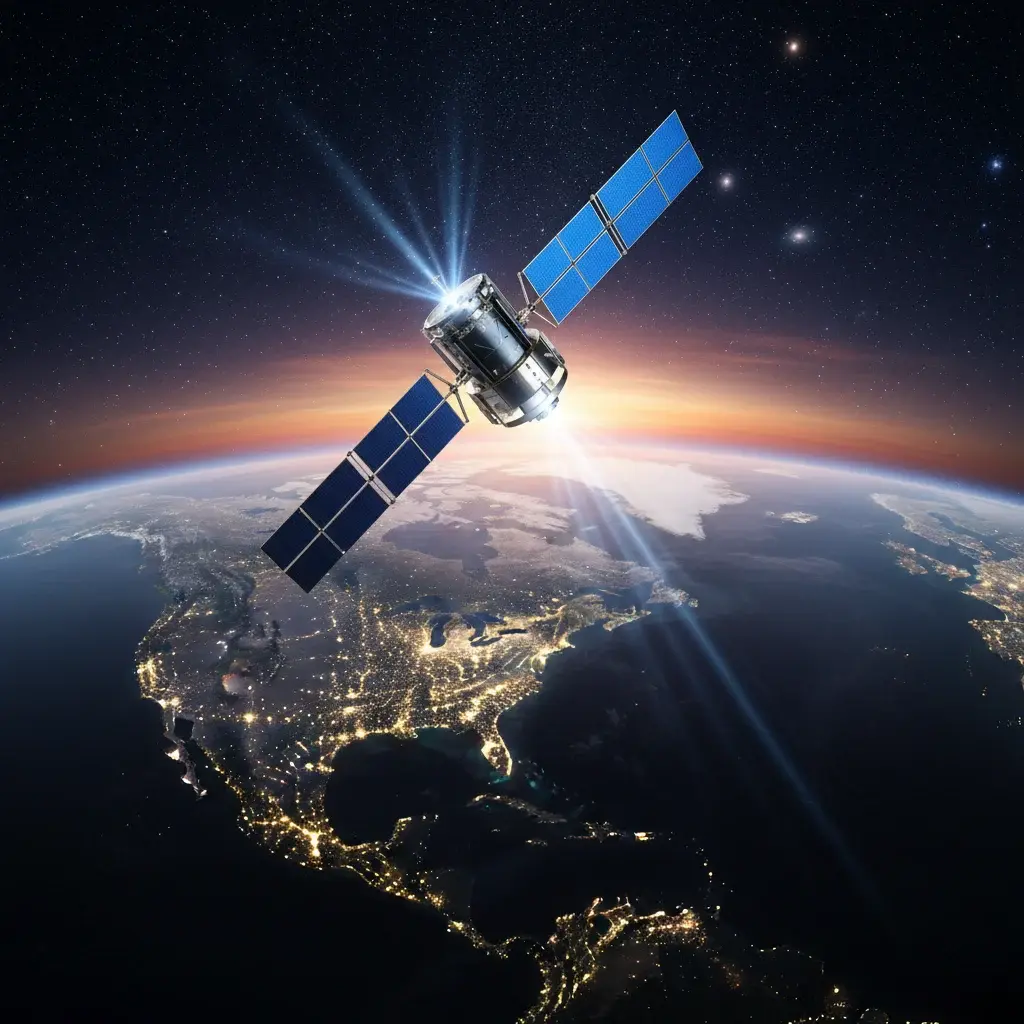
The commercial space industry has transitioned from a specialized, government-dominated sector to a mass-production powerhouse over the last decade. With thousands of low Earth orbit (LEO) satellites deployed annually and reusable rockets dramatically lowering access costs, the pace of operations has permanently outstripped traditional aerospace quality assurance models.
Legacy space programs historically relied on decades-long development cycles and practically unlimited budgets to ensure zero-defect outcomes. Today’s commercial operators lack that luxury. They must balance aggressive investor demands for rapid deployment with the unforgiving physics of orbital mechanics.
Navigating Complex, High-Stakes Systems
During the industry-wide webinar, operations directors highlighted that scaling reliability is fundamentally different from achieving initial reliability. Building one successful launch vehicle or satellite requires brilliant engineering; building hundreds requires flawless manufacturing and standardized operational processes.
A recurring theme among the panelists was the danger of accumulating “process debt.” As aerospace startups transition into mature enterprises, the informal communication channels and ad-hoc problem-solving that drove early success often become critical vulnerabilities.
When operations scale globally, a single misconfigured software update or a minor supply chain deviation can cascade across an entire fleet. Experts noted that companies must aggressively formalize their operational playbooks before the sheer volume of launches overwhelms their engineering teams.
Common Pitfalls in Rapid Expansion
Panelists identified supply chain inconsistency as a primary pitfall for scaling space companies. As production rates increase, operators are frequently forced to source critical components from multiple vendors, introducing subtle variations that can compromise deeply integrated systems.
Organizational silos present another major hurdle during rapid expansion. When software engineering, hardware manufacturing, and flight operations teams fail to share a unified data architecture, minor discrepancies can evolve into mission-ending anomalies.
Human fatigue also emerged as a critical risk factor. The commercial space sector is notorious for grueling schedules and high-pressure environments. Data presented during the session indicated that human error and oversight account for nearly 40% of operational anomalies in rapidly scaling aerospace companies.
Furthermore, experts warned against the over-reliance on legacy software architecture. Ground systems designed to monitor a constellation of ten satellites frequently buckle when tasked with managing a network of hundreds, leading to dangerous telemetry blackouts and loss of vehicle control.
Proven Approaches to Bulletproof Operations
To counter these escalating risks, leading commercial space firms are adopting agile methodologies from the tech and mass-manufacturing sectors. The implementation of “digital twins”—highly accurate virtual replicas of physical spacecraft—allows operators to simulate stress tests and software updates before deploying them in orbit.
Hardware-in-the-loop (HITL) testing has also become a non-negotiable standard. By tricking flight hardware into believing it is flying a mission through simulated sensor inputs, companies can validate entire system responses without leaving the laboratory.
Automated fault detection is another proven approach gaining widespread traction. By leveraging machine learning algorithms to constantly monitor telemetry data streams, companies can identify anomalous trends and preemptively safe a vehicle before a catastrophic failure occurs.
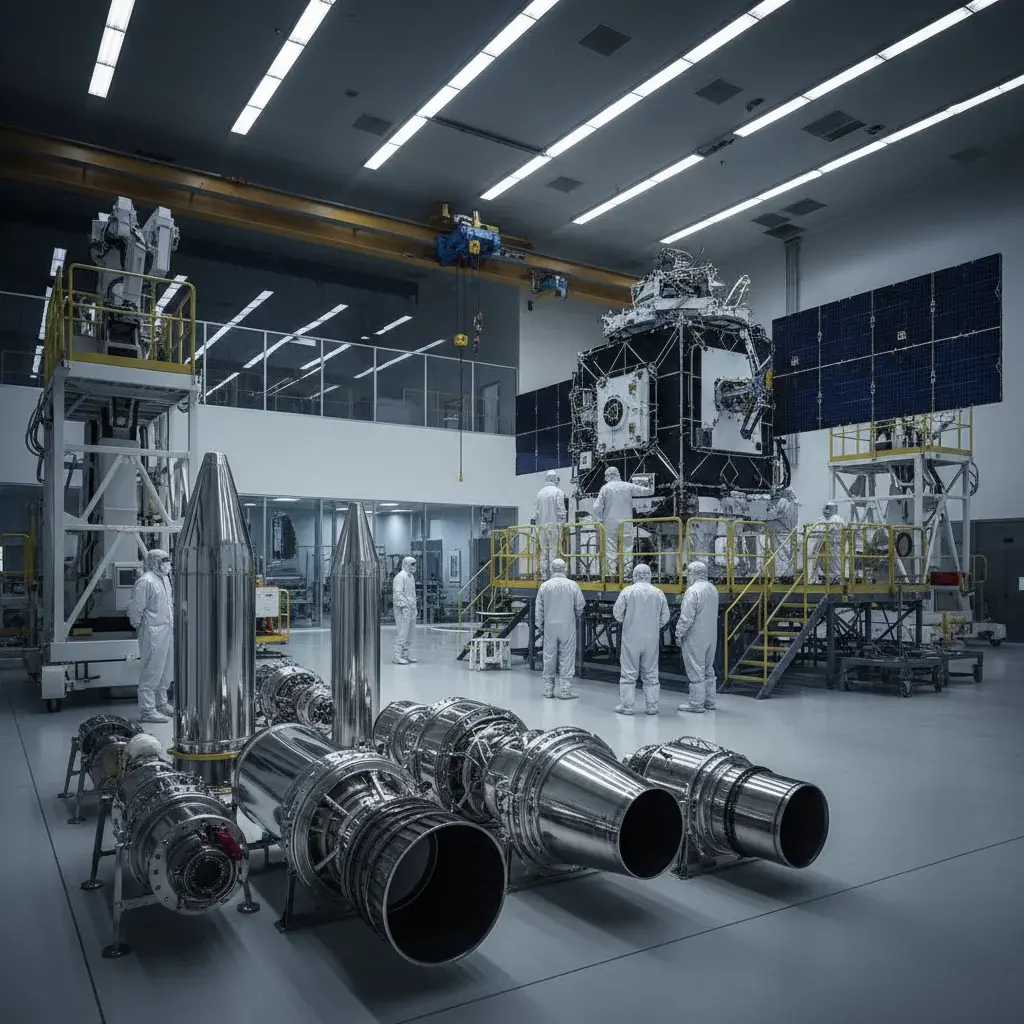
Panelists also emphasized the importance of designing for automated manufacturing from day one. By simplifying component designs, utilizing 3D printing, and reducing overall part counts, companies significantly minimize the opportunities for assembly errors on the factory floor.
Data-Driven Perspectives on Industry Growth
The urgency of internalizing these operational lessons is underscored by recent industry metrics. According to market analytics shared during the presentation, commercial orbital launches increased by an unprecedented 45% year-over-year in 2023.
Current projections indicate a further 30% surge in launch cadences over the coming year, driven largely by broadband mega-constellations and commercial lunar payload services.
Despite this explosive growth, the cost of failure remains astronomically high. A single launch anomaly can destroy hundreds of millions of dollars in hardware, ground entire launch fleets for months pending investigation, and severely damage volatile investor confidence.
“Reliability at scale isn’t about perfectly preventing every conceivable failure,” noted a senior operations executive during the panel discussion. “It is about designing resilient, redundant systems that fail safely, predictably, and without compromising the broader mission architecture.”
Looking Ahead: Implications for the Sector
As commercial space operations continue their exponential trajectory, the principles of scalable reliability will increasingly dictate market winners and losers. Companies that successfully industrialize their quality assurance processes will capture the lion’s share of lucrative defense and global telecommunications contracts.
Conversely, operators that prioritize speed over systemic resilience may find themselves marginalized by regulatory agencies. The Federal Aviation Administration (FAA) and international regulatory bodies are already signaling a shift toward more stringent oversight of commercial launch cadences and orbital debris mitigation.
Moving forward, industry watchers should closely monitor the integration of artificial intelligence in mission control centers and the standardization of satellite bus architectures. These technological shifts will serve as the next critical indicators of how well the commercial space sector is adapting to its own explosive success.


Leave a Reply